
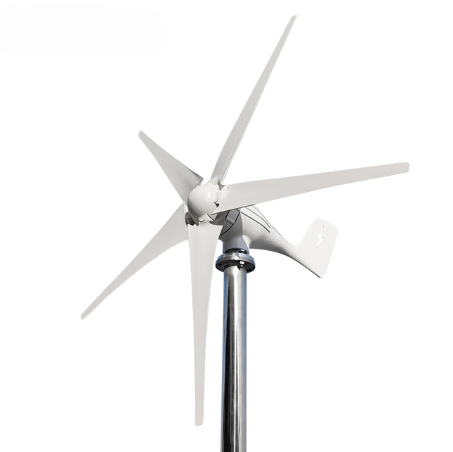
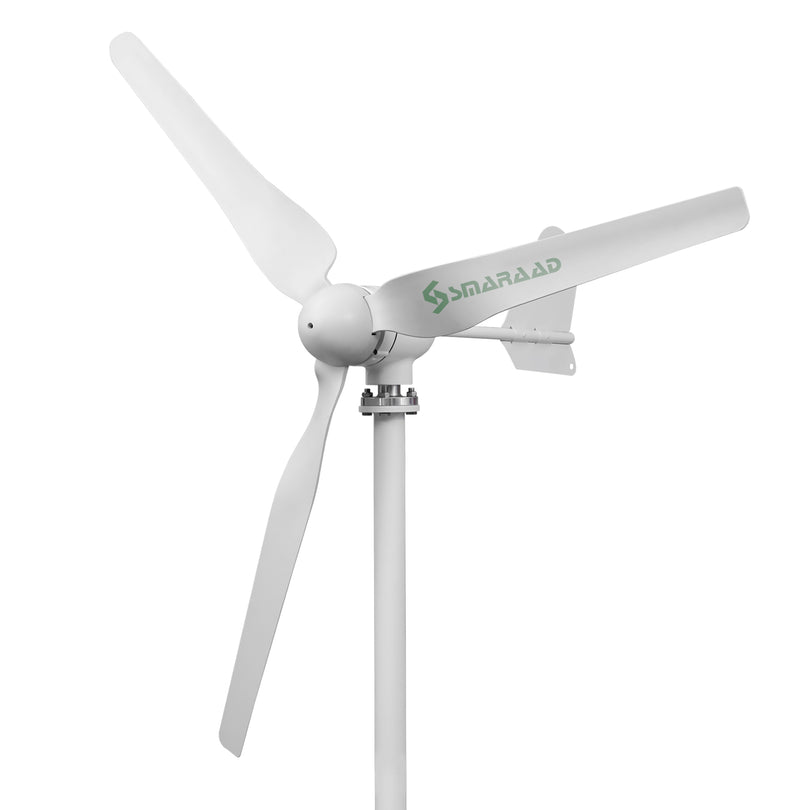
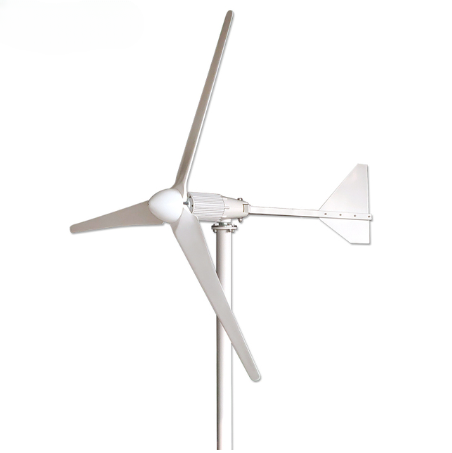
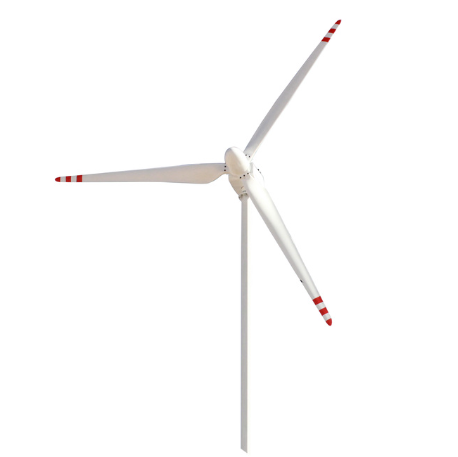
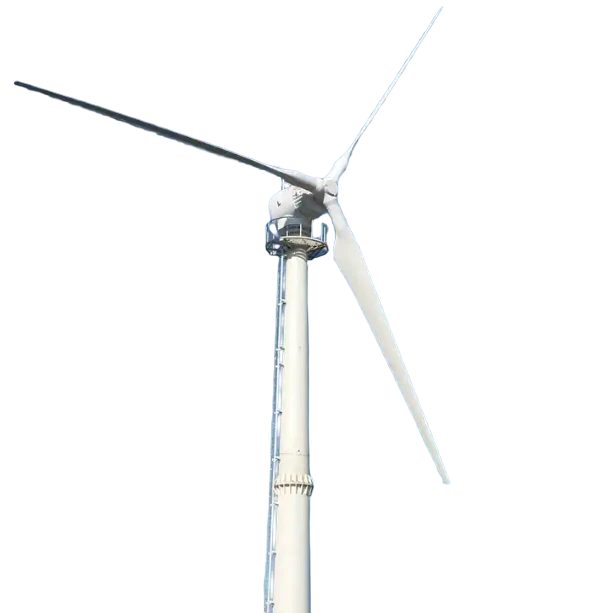

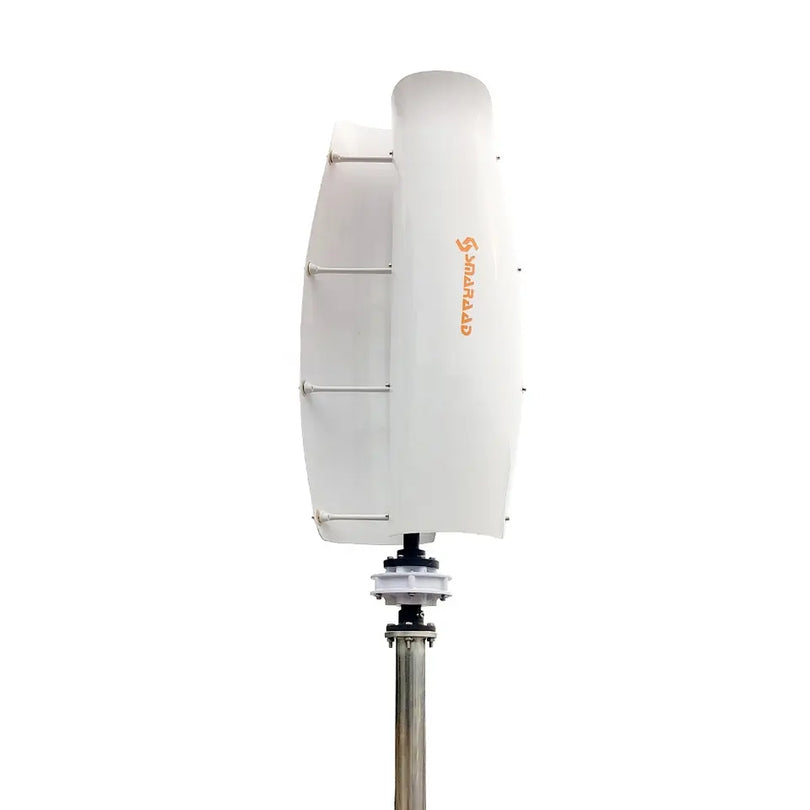


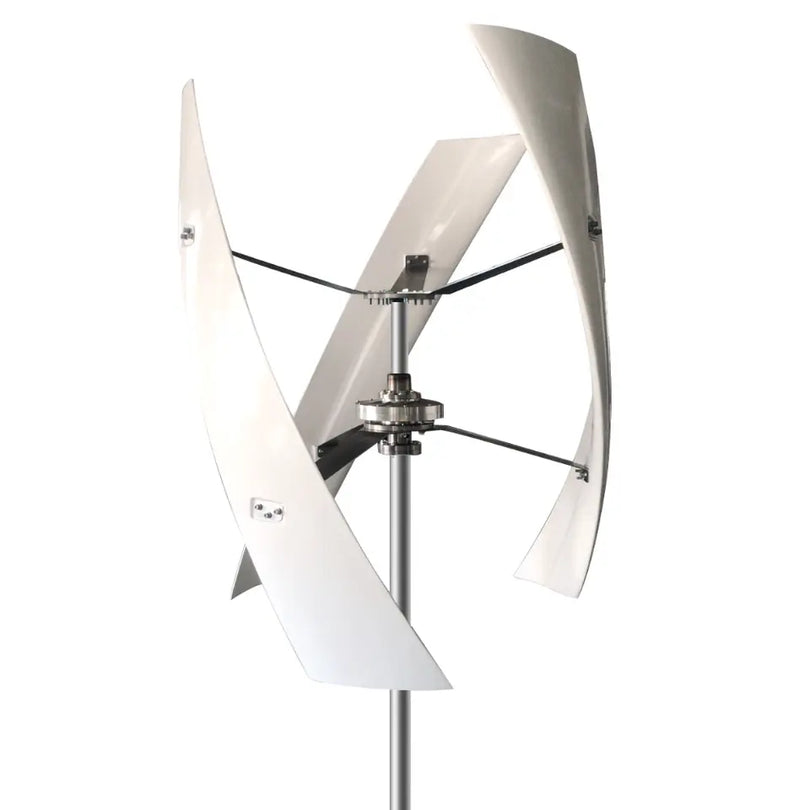
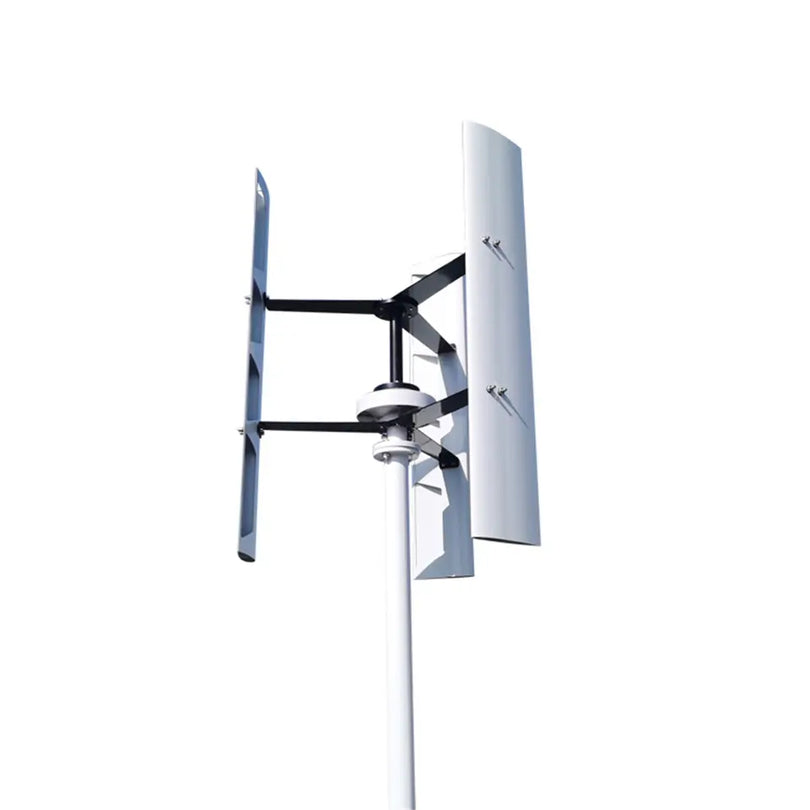
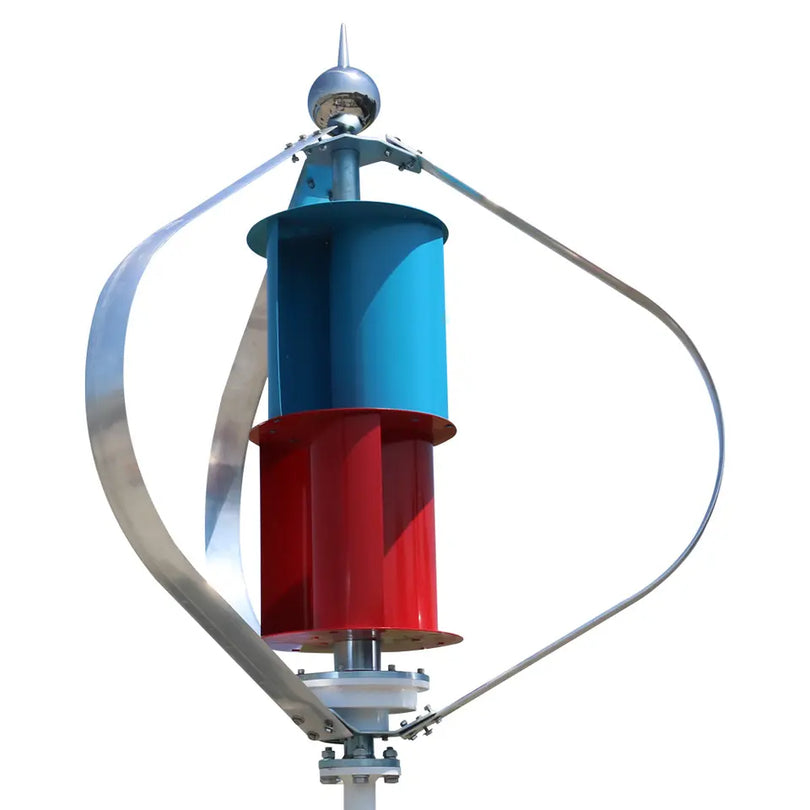


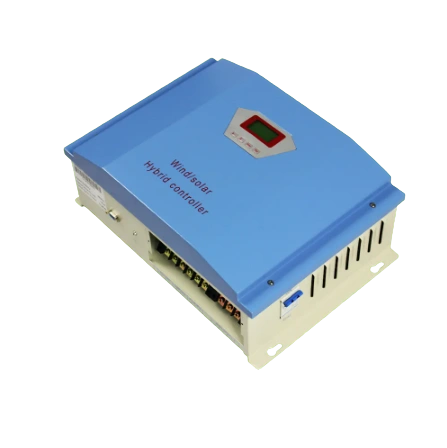

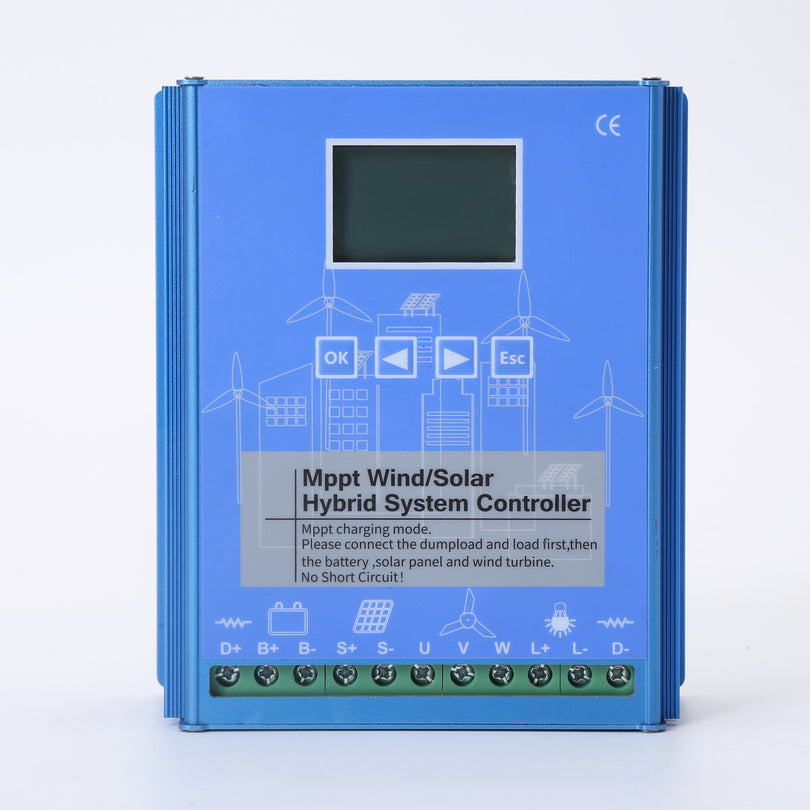
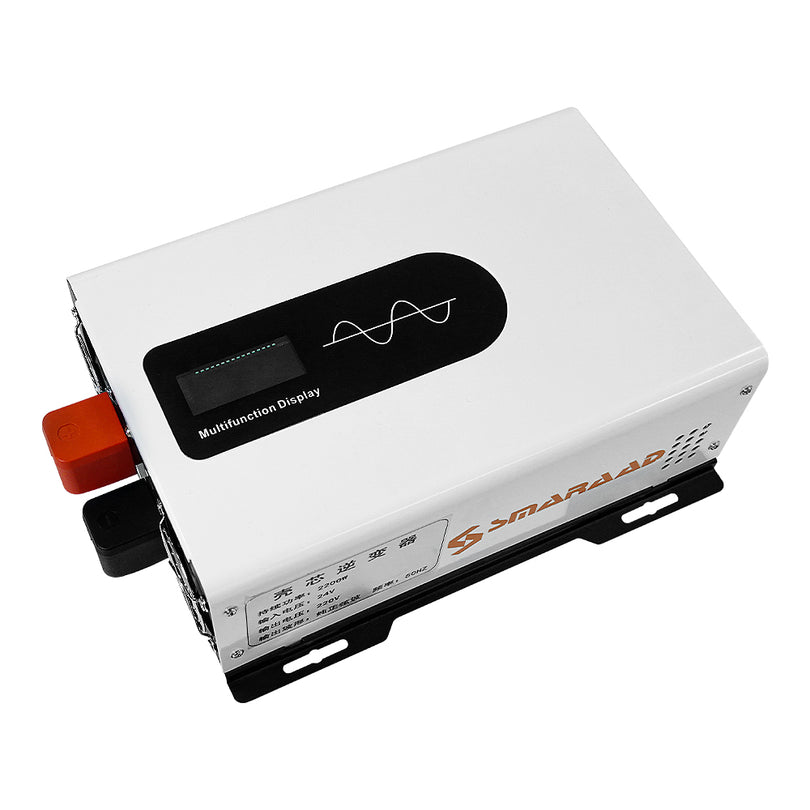


In the quest for cleaner and more sustainable energy solutions, wind turbines and solar panels stand as beacons of hope, harnessing the forces of nature to generate electricity. In this blog, we delve into the promising data supporting the development of wind and solar power, as well as the significant benefits they bring to various sectors, including households, agriculture, industries, and livestock farming.
Data-backed Development Trends
Soaring Renewable Energy Capacity: According to the International Renewable Energy Agency (IRENA), the global renewable energy capacity has seen exponential growth, with wind and solar power taking the lead. Over the past decade, wind power capacity has more than tripled, while solar power capacity has grown by a staggering 20 times.
Falling Costs: The cost of renewable energy technologies, particularly wind and solar, has witnessed a dramatic decline. Bloomberg New Energy Finance reports that the costs of solar panels have dropped by over 90% in the past decade, making them more accessible and attractive for consumers and businesses alike.
Government Support: Governments worldwide are actively promoting renewable energy initiatives through favorable policies, incentives, and subsidies. This supportive environment fosters innovation and encourages widespread adoption of wind and solar power technologies.
Benefits in Various Sectors
1. Household Applications:
Reduced Electricity Bills: Solar panels on rooftops enable homeowners to generate their electricity, reducing dependence on the grid and leading to significant cost savings over time.
Energy Independence: Embracing wind turbines and solar panels empowers homeowners to become self-sufficient in their energy needs, providing security during power outages.
Environmental Impact: By using clean energy at home, individuals contribute to lowering carbon emissions and preserving the planet for future generations.

2. Agricultural Practices:
Water Pumping: Wind turbines and solar-powered water pumps offer a sustainable solution for irrigation in remote agricultural areas, reducing reliance on expensive and polluting diesel generators.
Livestock Farming: Solar panels can power electric fences, lighting, and water heating for livestock, making farming operations more efficient and eco-friendly.
Cost Savings: Integrating renewable energy into farming practices helps farmers cut down operational costs and increases the overall profitability of agricultural ventures.
3. Industrial Applications:
Sustainable Manufacturing: Industries can deploy renewable energy to power their manufacturing processes, reducing the environmental impact and enhancing their corporate social responsibility.
Grid Independence: By combining wind and solar power with energy storage solutions, industries can operate off-grid during peak demand periods, reducing strain on traditional power grids.
4. Livestock Farming:
Water Pumping: Wind and solar-powered water pumps provide a reliable and cost-effective water supply for livestock in remote areas, improving animal welfare and farm productivity.
Environmentally Friendly: Replacing traditional fossil fuel-based energy sources with renewable alternatives minimizes greenhouse gas emissions, contributing to a more sustainable livestock industry.
Economic Resilience: Using renewable energy reduces the vulnerability of livestock farmers to volatile energy prices, offering long-term cost stability and economic resilience.
Conclusion
The data-driven developments and promising trends in the renewable energy sector signal a brighter and greener future for wind turbines and solar panels. As they continue to evolve and gain momentum, these clean energy solutions will undoubtedly play a pivotal role in addressing the global energy challenges. From households and agriculture to industries and livestock farming, the widespread adoption of wind and solar power brings about significant benefits for the environment, economy, and society as a whole. Embrace the winds of change and bask in the brilliance of the sun, as we collectively move towards a more sustainable and prosperous tomorrow.
